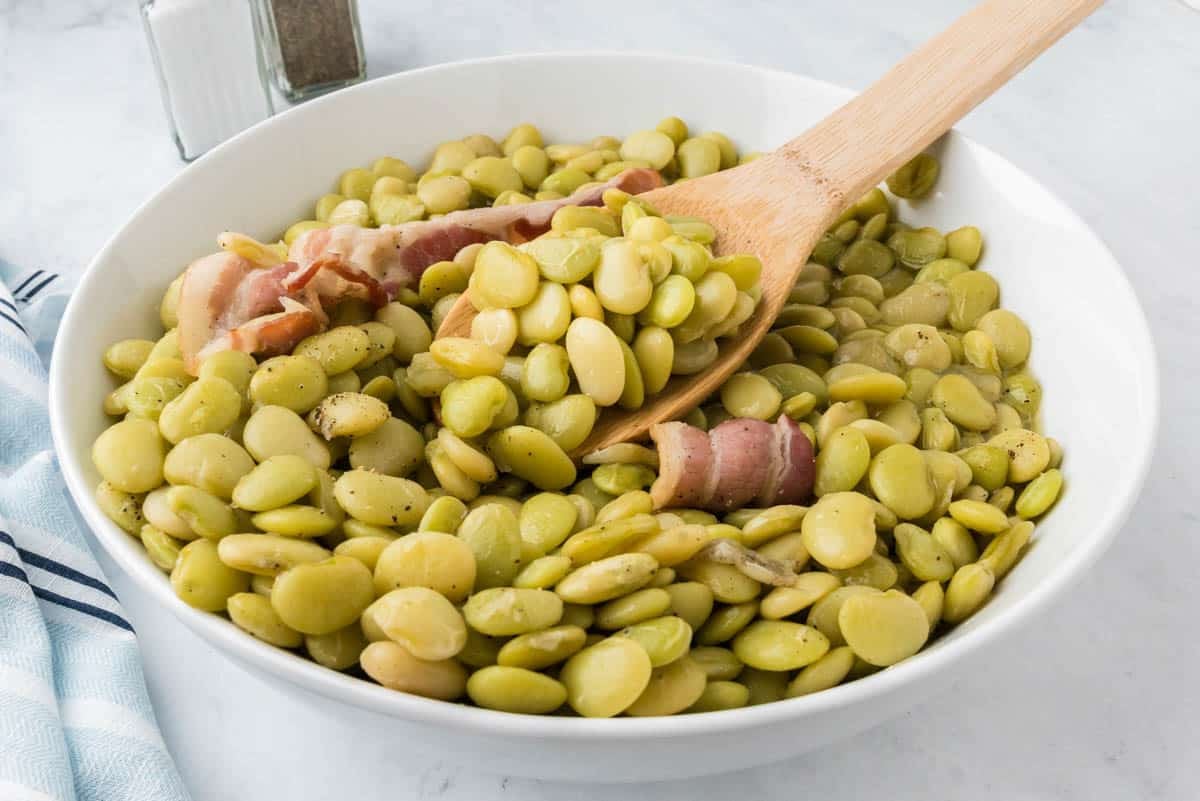
How To Cook Butter Beans: Unlock Their Creamy, Versatile Flavor
Once relegated to the periphery of culinary conversations, butter beans are experiencing a well-deserved renaissance. Thanks to a surge in popularity on platforms like TikTok and a renewed appreciation from home cooks and chefs alike, this humble legume is finally receiving the spotlight it deserves. Known for their uniquely creamy texture, mild yet rich flavor, and surprising versatility, butter beans are far more than just a side dish—they’re a canvas for culinary creativity. If you’re ready to discover how to transform these unassuming beans into delicious, satisfying meals, you’ve come to the right place. Let's dive deep into the world of butter beans and unlock their full potential.
What Exactly Are Butter Beans? A Culinary Identity Revealed
At its heart, the butter bean is a large, creamy white legume of the Phaseolus lunatus species, more commonly known as the Lima bean. While the names "butter bean" and "Lima bean" are often used interchangeably, there's a fascinating regional nuance. In the American South, and indeed in Great Britain, "butter bean" typically refers to the larger, mature white varieties, prized for how exquisitely creamy they become when cooked. Outside of these regions, or when discussing smaller, greener versions, "Lima bean" is the more prevalent term. This distinction, though subtle, highlights the bean’s rich history and diverse culinary traditions. For a deeper dive into their naming conventions, explore our article on Butter Beans vs. Lima Beans: Demystifying Names and Origins.
Originally hailing from Peru—hence the name "Lima bean" from its capital city—these legumes have journeyed across continents, evolving into the varieties we enjoy today. Bean experts describe butter beans as substantial and meaty, offering a delightful combination of a mild, subtly sweet, and sometimes nutty flavor. Their texture is truly their most distinguishing characteristic: dense, soft, and so incredibly creamy that many liken it to mashed potatoes. This velvety mouthfeel is what truly earns them their "butter" moniker and makes them a stand-out ingredient in countless dishes.
Why Butter Beans Deserve a Spot in Your Kitchen (Beyond the Hype)
Beyond their newfound internet fame, butter beans offer compelling reasons to become a staple in your pantry. Their appeal extends far beyond just flavor and texture:
- Nutritional Powerhouse: Like most legumes, butter beans are packed with goodness. They are an excellent source of plant-based protein, making them a fantastic option for vegetarian and vegan diets. They are also rich in dietary fiber, which supports digestive health and helps maintain stable blood sugar levels. Furthermore, butter beans contribute essential vitamins and minerals, including folate, iron, magnesium, and potassium, all vital for overall well-being.
- Incredible Versatility: From hearty stews to light salads, the adaptability of butter beans is truly remarkable. Their mild flavor means they readily absorb the tastes of accompanying ingredients, while their creamy texture adds body and richness. This chameleon-like quality allows them to star in a diverse range of cuisines and preparations.
- Affordable & Accessible: Dried and canned butter beans are typically very budget-friendly, offering an economical way to add high-quality protein and nutrients to your meals. They are widely available in most grocery stores, ensuring you can easily stock up.
- Sustainable Choice: Many producers of butter beans, like those mentioned in our reference, partner with smallholder farmers who utilize regenerative agricultural practices. Choosing these beans can support more sustainable food systems.
Choosing and Preparing Your Butter Beans: Dried vs. Canned
The journey to perfectly cooked butter beans begins with choosing the right form and understanding the best way to prepare them. Both dried and canned butter beans have their merits, depending on your priorities for flavor, texture, and convenience.
Dried Butter Beans: The Connoisseur's Choice
For those seeking the deepest flavor and most control over texture, dried butter beans are the undisputed champion. When cooked gently from their dried state, they develop an unparalleled creaminess and absorb seasonings more thoroughly.
- Soaking: Soaking dried butter beans is a crucial first step, as it rehydrates them, reduces cooking time, and can improve digestibility.
- Overnight Soak: Place beans in a large bowl, cover with water (at least 2-3 inches above the beans), and let sit for 8-12 hours. Drain and rinse thoroughly before cooking.
- Quick Soak: Place beans in a pot, cover with water, bring to a boil, and simmer for 2-3 minutes. Remove from heat, cover, and let stand for 1 hour. Drain and rinse before cooking.
- Cooking Methods:
- Stovetop (Our Recommendation): After soaking, place beans in a large pot, cover with fresh water or broth (about 2 inches above the beans). Add aromatics like bay leaves, garlic cloves, or half an onion. Bring to a gentle simmer, then reduce heat to low, cover, and cook for 1 to 1.5 hours, or until tender and creamy. The cooking time will vary based on the age and size of the beans. Avoid adding salt too early, as it can toughen the skins; add it towards the end of cooking.
- Slow Cooker: Soaked beans can be cooked in a slow cooker on low for 4-6 hours or on high for 2-3 hours, covered with liquid and seasonings. This method yields incredibly tender results.
- Pressure Cooker/Instant Pot: For the quickest option, soaked beans can be cooked in a pressure cooker. Follow your appliance's instructions, but generally, soaked butter beans cook in about 10-15 minutes at high pressure, with a natural release.
- Seasoning: Don't underestimate the power of seasoning during cooking. Beyond salt (added later), consider smoked ham hocks, bacon, rendered salt pork, or vegetable broth for a deeper savory flavor. Fresh herbs like thyme or sage are also excellent additions.
Canned Butter Beans: The Convenience Factor
For quick meals or when you're short on time, canned butter beans are a fantastic shortcut. While they may not offer the same depth of flavor or pristine texture as dried, they are incredibly convenient.
- Preparation: Always drain and rinse canned butter beans thoroughly under cold running water. This removes excess sodium and any canning liquid that might impart an off-flavor.
- Enhancing Flavor: To elevate canned butter beans, don't just add them straight to a dish. Sauté them briefly with aromatics like garlic, onion, and a splash of broth or a pat of butter before incorporating them. This extra step makes a significant difference. They are best simmered for at least 10-15 minutes in your sauce or alongside other ingredients to allow them to absorb flavors.
Unlocking Their Creamy Potential: Delicious Butter Bean Recipes and Ideas
Now that you know how to prepare them, let's explore the exciting world of butter bean dishes. Their mild, creamy nature makes them exceptionally versatile, ready to be transformed into comforting classics or innovative culinary creations.
- Classic Southern Butter Beans: This is where butter beans truly shine. Simmer them with smoked ham hock, bacon, or a bit of salt pork, along with onions, garlic, and fresh herbs like thyme or bay leaf. The result is a deeply savory, rich, and incredibly creamy side dish that pairs perfectly with cornbread or grilled meats.
- Hearty Soups and Stews: Their substantial nature makes butter beans an ideal addition to a wide range of soups and stews. Think Tuscan white bean soup, a hearty vegetable stew, or even a chili. They add body and a creamy element that can thicken broths naturally.
- Creamy Mashes and Spreads: Just like chickpeas make hummus, butter beans can be mashed or blended into luscious dips and spreads. Simply process cooked butter beans with olive oil, lemon juice, garlic, tahini (optional), and your favorite spices for a unique and incredibly smooth alternative to traditional hummus or a delightful side spread for sandwiches.
- Salads with a Twist: For a protein-packed and satisfying salad, toss cooked and cooled butter beans with fresh greens, cherry tomatoes, cucumbers, red onion, and a tangy vinaigrette. Their creamy texture provides a wonderful contrast to crisp vegetables.
- Roasted or Sautéed Delights: For a crispy exterior and creamy interior, try roasting or sautéing cooked butter beans. Toss them with olive oil and spices (paprika, cumin, chili powder) and roast until lightly browned, or sauté them in a hot pan with garlic and herbs. They make an excellent side dish or a topping for grain bowls.
- Global Inspirations: Butter beans seamlessly integrate into global cuisines. Use them in a Mediterranean-inspired dish with feta, olives, and sun-dried tomatoes; simmer them in a vibrant Indian curry; or add them to a Mexican-style quesadilla or taco filling for a creamy, satisfying texture. Their ability to take on different flavor profiles is truly astounding.
The recent surge in popularity of butter beans, particularly their viral moments on social media, has highlighted their adaptability in modern cooking. From simple preparations showcasing their inherent creaminess to complex dishes that leverage their mild flavor, butter beans are proving they belong on every plate.
Conclusion
Butter beans are much more than just a passing food trend; they are a timeless ingredient ready to reclaim their rightful place in kitchens everywhere. With their incredibly creamy texture, subtle sweetness, and remarkable versatility, they offer a world of culinary possibilities, from comforting classics to innovative, modern dishes. Whether you opt for the depth of flavor from dried beans or the convenience of canned, understanding how to cook butter beans effectively will unlock their full, satisfying potential. So, embrace this old-new classic, experiment with their creamy goodness, and get ready to add a truly delicious and nutritious legume to your regular cooking repertoire.
