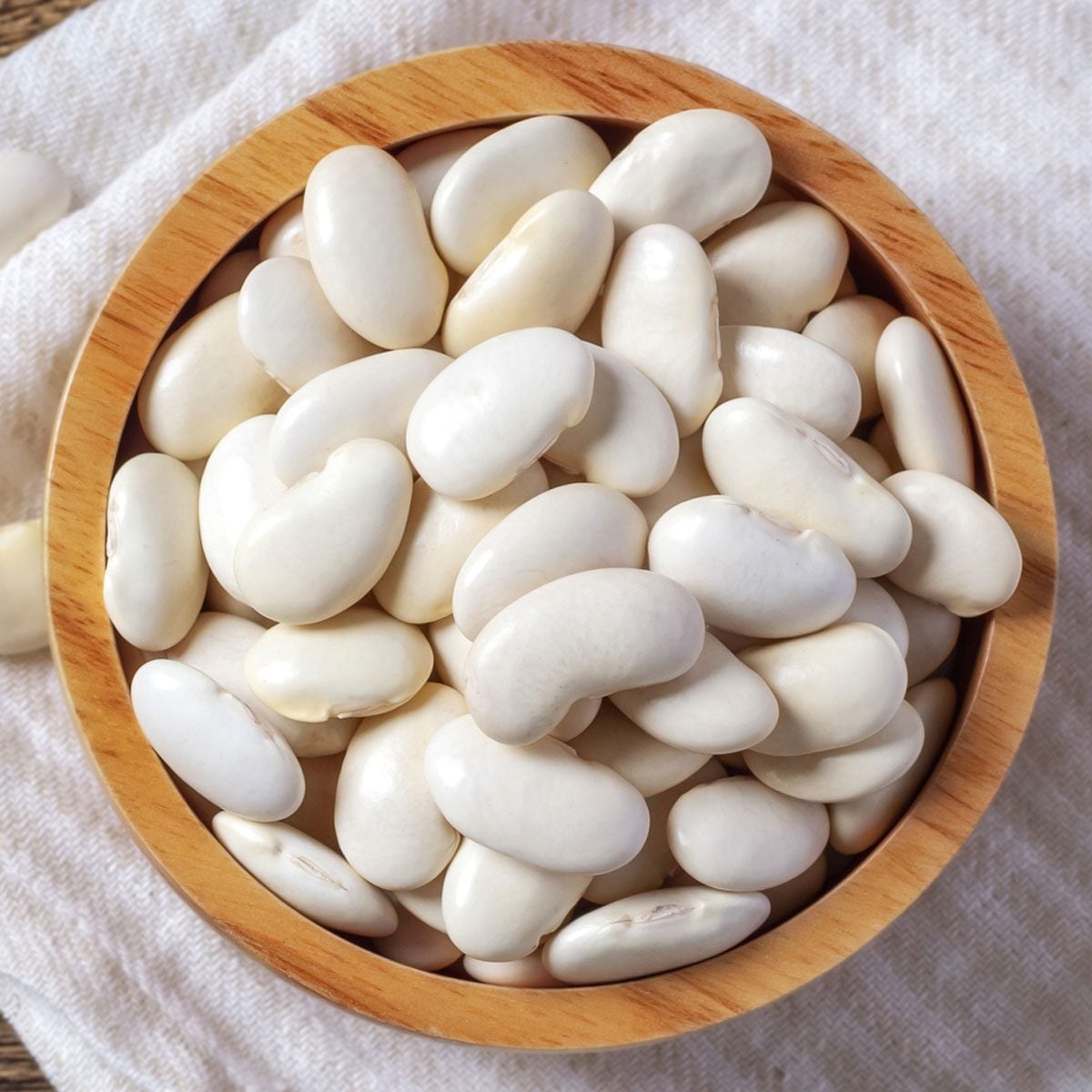
Butter Beans vs. Lima Beans: Demystifying Names and Origins
For years, butter beans have quietly graced dinner tables, often associated with comforting, home-style cooking. But recently, thanks to a resurgence of interest sparked by online food creators and culinary enthusiasts, these creamy legumes are enjoying a well-deserved moment in the spotlight. Yet, with their newfound fame comes an age-old question: what exactly are butter beans, and how do they differ from lima beans? The truth, as we'll discover, is often simpler and more interconnected than many realize. Join us as we demystify the names, explore the origins, and celebrate the unique charm of this versatile bean.
The Core Identity: Are Butter Beans and Lima Beans the Same?
The short answer to whether butter beans and lima beans are the same is: yes, largely. They are, in fact, two common names for the exact same species of legume, Phaseolus lunatus. This botanical classification is crucial for understanding their shared identity, regardless of regional monikers or size variations. Vince Hayward, a fourth-generation owner of Camellia Beans, a venerable dried bean company, confirms this, explaining that the varieties we commonly enjoy in the U.S. all trace their lineage back to Peru, gradually making their way to North America over centuries.
The distinction primarily lies in culinary tradition and geography. Sarela Herrada, co-founder and CEO at SIMPLi, a global food company focused on regenerative agriculture, clarifies that "butter bean" is predominantly a regional culinary name. It's most frequently used in the American South to describe the larger, fully mature, creamy-white beans that, true to their name, cook up with an incredibly rich, buttery texture. Outside of the Southern U.S., and especially when referring to the smaller or green varieties, the term "lima bean" is more commonly heard. Interestingly, in Great Britain, "butter bean" is also the preferred term, showcasing a transatlantic connection in culinary naming conventions.
So, while you might encounter them under different aliases depending on where you live or what stage of maturity they are harvested, rest assured that you're generally dealing with the same delicious and nutritious legume. This shared identity is a testament to how food names evolve, often reflecting local appreciation for specific characteristics, like the exceptional creaminess that earned butter beans their beloved moniker.
A Taste and Texture Profile: Why the Fuss Around Butter Beans?
The recent surge in popularity for butter beans, particularly on platforms like TikTok, is no mere fad; it’s a rediscovery of their exceptional culinary qualities. These are not just any beans; they possess a distinctive taste and texture that sets them apart. Richard LaMarita, a chef instructor, describes them as a substantial, meaty bean with a mild yet rich flavor. Expanding on this, Vince Hayward notes that many people detect a slight nutty taste alongside a subtle sweetness, making them incredibly appealing to a wide palate.
However, it's their texture that truly earns them their "butter" distinction. When cooked properly, butter beans develop a dense, remarkably soft, and incredibly creamy texture. Hayward humorously likens their texture to mashed potatoes, a descriptor that perfectly encapsulates their comforting and luxurious mouthfeel. This unique combination of mild richness, subtle sweetness, and an almost melt-in-your-mouth creaminess makes them incredibly versatile. They can absorb flavors beautifully, adding body and depth to any dish without overpowering other ingredients. This versatility is a key factor in their renaissance, inspiring cooks to explore new and exciting ways to incorporate them into their culinary repertoire. If you're looking for inspiration on how to harness this creamy magic, check out our guide on Butter Beans: The Creamy Old Classic Making a TikTok Comeback.
Navigating the Nomenclature: Regional and Global Varieties
The world of legumes is rich with diversity, and sometimes, a single species can boast an impressive array of names. This phenomenon, as Sarela Herrada explains, is often influenced by geography, the stage of harvest, and deep-seated culinary traditions. It’s why our beloved Phaseolus lunatus can be known as both butter beans and lima beans, causing understandable confusion for the uninitiated.
- Lima Bean: This name directly references the capital of Peru, paying homage to the bean's geographical origin in the Andes. It's a botanical and historical nod to where these versatile legumes first flourished before spreading globally.
- Butter Bean: As discussed, this is a regional and descriptive culinary term. Predominantly used in the Southern U.S. and Great Britain, it emphasizes the mature beans' creamy, almost buttery texture once cooked.
- Baby Lima Beans: These are simply smaller, often younger varieties of Phaseolus lunatus. They tend to be more tender and less starchy than their larger counterparts, appealing to those who prefer a more delicate texture.
- Large Lima Beans (or Large Butter Beans): These are the fully mature beans, characteristically flat, kidney-shaped, and substantial. They develop the signature creamy texture that makes them so sought after.
A common point of confusion arises with gigante beans, popular in Greek cuisine. While they share a similar large, white appearance with butter beans, Herrada clarifies that Greek gigantes are typically a different species altogether: Phaseolus coccineus, commonly known as a large white runner bean. While both are large, creamy beans, they are distinct botanically. Understanding these nuances helps us appreciate the rich tapestry of bean varieties and their cultural significance across the globe.
Culinary Versatility and Expert Tips for Butter Beans
The true beauty of butter beans lies not just in their compelling history but in their incredible culinary versatility. They are far more than a simple side dish; their mild flavor and luxurious texture make them a fantastic canvas for a myriad of dishes. Our experts, like Sarela Herrada, are strong advocates for using dried butter beans, highlighting that this form offers the most control over the final texture and flavor development. When properly soaked and cooked gently, dried beans yield a deeper, more nuanced flavor and an unparalleled creamy interior that canned versions often can't match.
Here are some practical tips and actionable advice to bring the best out of your butter beans:
- Choose Dried Beans: Opt for dried butter beans whenever possible. Look for stores with high inventory turnover to ensure freshness, as older beans can take longer to cook and sometimes have a tougher skin.
- Proper Soaking: Soaking dried beans overnight (8-12 hours) in plenty of cold water is crucial. This rehydrates them, reduces cooking time, and helps them cook more evenly. If you're short on time, a quick soak method (boil for a few minutes, then let stand for an hour off the heat) can also work.
- Gentle Cooking: After soaking, drain and rinse the beans. Cook them in fresh water or broth over low to medium heat, simmering gently rather than boiling vigorously. This slow, gentle approach allows them to develop that coveted creamy texture without falling apart. Season with salt towards the end of cooking to avoid hardening the skins.
- Flavor Development: Enhance their natural sweetness and nuttiness by cooking them with aromatics like bay leaves, garlic, onions, or herbs such as thyme or rosemary. A dash of smoked paprika or a strip of bacon can also add wonderful depth.
- Versatile Applications:
- Soups and Stews: Their meaty texture adds body and heartiness.
- Salads: Cooled butter beans provide a creamy contrast to crisp greens and vinaigrettes.
- Side Dishes: Simply dressed with olive oil, lemon, and fresh herbs, they make an elegant accompaniment.
- Mashed or Puréed: Like Hayward's mashed potato comparison, they can be mashed into a creamy side, spread, or even a base for vegetarian burgers.
- Braised: Slow-cooked with tomatoes, herbs, and stock, they become incredibly tender and flavorful.
For a deep dive into the specifics of preparing these fantastic legumes, be sure to consult our detailed guide on How To Cook Butter Beans: Unlock Their Creamy, Versatile Flavor.
Nutritional Benefits: A Healthy Choice
Beyond their delightful flavor and texture, butter beans (or lima beans) are nutritional powerhouses. As a legume, they are an excellent source of plant-based protein, making them a valuable component of vegetarian and vegan diets. They are also packed with dietary fiber, which is essential for digestive health, blood sugar regulation, and promoting a feeling of fullness, aiding in weight management. Furthermore, these beans provide a good dose of essential vitamins and minerals, including folate, iron, magnesium, potassium, and B vitamins. Incorporating butter beans into your diet is a delicious way to boost your nutrient intake and support overall well-being.
Conclusion
The journey from a Peruvian origin to a Southern staple and now a TikTok sensation, has solidified butter beans' place in the culinary world. While the name might shift between "butter bean" and "lima bean" depending on geography or maturity, their core identity as the creamy, versatile Phaseolus lunatus remains steadfast. Their mild yet rich flavor, combined with that incredibly satisfying, dense, and buttery texture, makes them a standout legume worthy of their recent renaissance. Whether you call them butter beans or lima beans, embracing this old classic promises a delicious and nutritious addition to your cooking repertoire. So, next time you see them, don't hesitate – unlock their creamy potential and enjoy a truly versatile ingredient.
