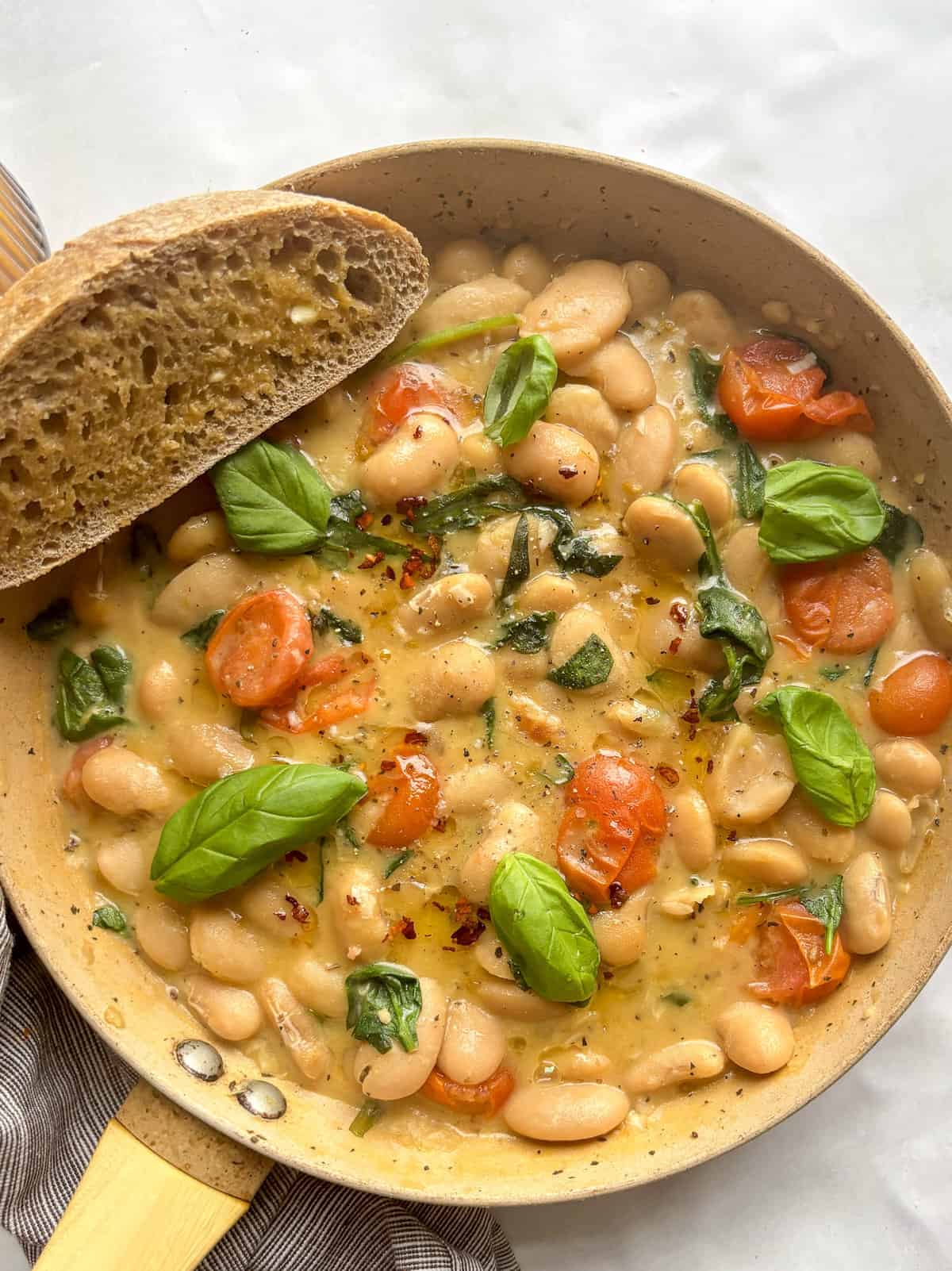
Butter Beans: The Creamy Old Classic Making a TikTok Comeback
In the ever-evolving world of food trends, it’s often the forgotten gems that resurface to capture our culinary imaginations. And right now, there’s a humble legume stealing the spotlight, proving that sometimes, the best new things are actually old classics. We’re talking about butter beans – the creamy, versatile, and utterly delicious bean that has shed its "grandma's pantry" image to become a viral sensation, thanks in no small part to the enthusiastic endorsement of TikTok food creators.
For decades, butter beans were a staple in Southern kitchens, celebrated for their rich texture and mild flavor. But somewhere along the way, they fell out of favor, relegated to the background while other legumes took center stage. Now, a new generation is discovering the undeniable charm of these buttery-tasting beans, embracing them for their incredible versatility and satisfying creaminess. This resurgence isn't just a fleeting trend; it's a necessary re-appreciation for a bean that offers so much to modern cooking, from plant-based meals to comforting classics. Join us as we dive deep into the world of butter beans, exploring their origins, unique characteristics, and why they deserve a permanent spot in your culinary repertoire.
The Resurgence of a Southern Star: Why Butter Beans Are Back
It's a curious phenomenon when a food once considered old-fashioned suddenly explodes in popularity. For butter beans, that explosion began on TikTok. Food creators, always on the hunt for accessible, delicious, and visually appealing ingredients, stumbled upon this creamy marvel. What followed was a cascade of viral recipes – from garlicky mashed butter beans on toast to hearty stews and vibrant salads – showcasing their incredible adaptability. This digital revival has propelled butter beans from obscurity into the mainstream, sparking a much-deserved conversation about their merits.
Why the sudden love affair? Part of it is their inherent appeal: a satisfyingly substantial bean that cooks up incredibly creamy, earning its "butter" moniker. In an era where comfort food meets healthy eating, butter beans strike the perfect balance. They offer a mild yet rich flavor profile that acts as a fantastic canvas for a myriad of seasonings and cuisines. Their dense, soft texture makes them incredibly satisfying, often likened to mashed potatoes, providing a hearty base for vegetarian and vegan dishes, or a comforting side for any meal. The convenience factor also plays a role; while dried beans offer the most control, even canned versions can be quickly transformed into delicious, trendy meals. This blend of tradition, versatility, and sheer deliciousness has cemented their place in the modern kitchen, proving that some classics are simply too good to stay hidden.
Demystifying the Butter Bean: Origins and Nomenclature
Before diving into recipes, it's crucial to understand what exactly we're talking about when we say "butter bean." The large, creamy white legumes universally known as butter beans are botanically classified as Phaseolus lunatus, more commonly referred to as Lima beans. These beans have a fascinating history, with their varieties originating in Peru, eventually making their way to North America over centuries. The versions we enjoy today, while not quite as large as their ancient Peruvian ancestors, retain much of their distinctive character.
The naming convention, however, can be a source of confusion. "Butter bean" is primarily a regional culinary name, predominantly used in the Southern United States and also in Great Britain. This name celebrates the bean's remarkable ability to cook up with a melt-in-your-mouth, buttery-soft texture. Outside of these regions, you're more likely to hear "Lima bean" for the same legume, especially when referring to smaller, younger, or green varieties. The name "Lima bean" itself is a nod to the capital of Peru, acknowledging its geographical origin. It’s a classic example of how a single species can acquire multiple common names based on regional culinary traditions or stages of harvest.
Adding another layer to the nomenclature puzzle are Gigante beans, popular in Greek cuisine. While often mistaken for butter beans due to their similar large, white appearance, Greek Gigantes are typically a different species altogether: Phaseolus coccineus, or large white runner beans. While they share some culinary similarities, they are distinct from the classic butter bean. Understanding these distinctions helps appreciate the unique qualities of each bean. For a deeper dive into these fascinating naming differences, explore our article: Butter Beans vs. Lima Beans: Demystifying Names and Origins.
What Makes Butter Beans So Irresistible? Flavor, Texture, and Versatility
The true magic of butter beans lies in their unique sensory profile. They boast a mild yet rich flavor, often described as subtly sweet with a delicate nutty undertone. This understated taste makes them incredibly versatile, allowing them to absorb and complement a wide array of spices and ingredients without overpowering a dish. It’s their texture, however, that truly sets them apart and justifies their name. When cooked properly, butter beans develop a dense, soft, and profoundly creamy consistency. Imagine the comforting fluffiness of perfectly mashed potatoes, but with the added earthiness and heartiness of a bean – that’s the butter bean experience.
This "meaty" yet tender texture makes them an exceptional component in a variety of dishes. They add body and substance to:
- Soups and Stews: Their creamy nature thickens broths and adds a satisfying heft.
- Salads: Cooked and cooled, they provide a delightful textural contrast and protein boost.
- Sides: Simmered simply with herbs, garlic, or a smoked ham hock, they make an unparalleled accompaniment.
- Spreads and Dips: Mashed or pureed, they form the base for creamy spreads, hummus-like dips, or even a healthier alternative to mashed potatoes.
- Plant-Based Meals: Their substantial texture makes them an excellent substitute for meat in many vegetarian and vegan recipes, providing both satiety and a good source of protein and fiber.
Cooking with Creamy Perfection: Tips for Your Butter Bean Journey
To truly unlock the unparalleled creaminess and rich flavor of butter beans, starting with dried beans is highly recommended. While canned versions are convenient for quick meals, dried beans offer unparalleled control over both texture and taste development. When soaked and cooked gently, dried butter beans develop a deeper, more nuanced flavor and a wonderfully creamy interior that simply can't be matched by their pre-cooked counterparts.
Here are some essential tips for cooking butter beans to perfection:
- Soak Them Right: Always soak dried butter beans before cooking. A good overnight soak (8-12 hours) in plenty of cold water, or a quick soak method (boiling for a few minutes, then letting them sit in hot water for an hour), will significantly reduce cooking time and ensure even cooking. Discard the soaking water before cooking.
- Use Fresh Water: Start with fresh, cold water for cooking. Many chefs recommend avoiding salt in the initial cooking water, as it can sometimes toughen the skins, though opinions vary.
- Gentle Simmering is Key: Bring the beans to a boil, then reduce the heat to a gentle simmer. This slow, steady cooking is crucial for achieving that signature creamy texture without breaking the beans apart. Skim off any foam that rises to the surface.
- Season Thoughtfully: Add aromatics like bay leaves, garlic cloves, onion halves, or a sprig of rosemary to the cooking water for subtle flavor infusion. Salt should generally be added towards the end of the cooking process to avoid toughening.
- Test for Doneness: Butter beans are ready when they are tender enough to be easily mashed with a fork but still hold their shape. The cooking time can vary widely depending on the age of the beans and your desired texture, typically ranging from 45 minutes to 2 hours after soaking.
- Embrace the Mash: Don't be afraid to mash some of the beans against the side of the pot as they cook. This releases their natural starch, creating a thicker, creamier liquid that enhances the overall dish.
- Beyond the Pot: Once cooked, butter beans are incredibly versatile. Try them simmered with olive oil, lemon, and fresh herbs, incorporated into a vibrant succotash, or even roasted with spices for a crispy snack.
For more detailed instructions and inspiring recipes to bring these creamy delights to life in your kitchen, be sure to read our comprehensive guide: How To Cook Butter Beans: Unlock Their Creamy, Versatile Flavor.
The return of the butter bean is more than just a passing trend; it's a testament to the enduring appeal of simple, wholesome ingredients. From their ancient Peruvian origins to their cherished place in Southern culinary traditions and now their viral stardom on TikTok, these creamy legumes continue to captivate with their mild flavor, luxurious texture, and incredible versatility. Whether you're a seasoned chef or a home cook looking to expand your repertoire, embracing butter beans means inviting a truly satisfying and nutritious ingredient into your kitchen. So go ahead, give this old classic a try – your taste buds (and your social media feed) will thank you.
